Restoring pelvic support — with respect for the body's own tissue.
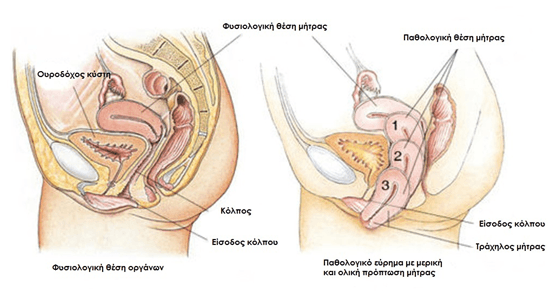
Urogynaecological surgery aims to anatomically and functionally restore problems resulting from the loss of support of the vaginal tissues. Such problems include pelvic organ prolapse, urinary incontinence, difficulty with bowel movements, and in many cases sexual dysfunction.
Various surgical techniques have been developed with the aim of achieving the best possible restoration while reducing the risk of recurrence. Equally important is minimising the extent of surgery and the likelihood of potential complications.
This is supported by the team's extensive experience with urogynaecological patients. They are trained to recognise and prioritise patient needs through careful clinical examination and history-taking. Combined with their high level of expertise in minimally invasive surgery, this optimises post-operative outcomes. Non-surgical alternatives are also offered when these are considered effective.
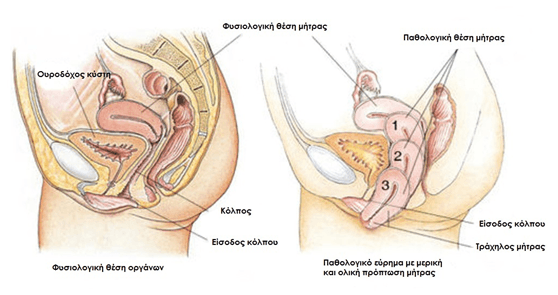
Priority is given to restoring the problem using the body's own tissue (native tissue repair). The use of synthetic materials (mesh) in laparoscopic sacrocolpopexy is performed when deemed necessary, in full awareness that outcomes are almost always very satisfactory, bearing in mind the rare adverse effects associated with these materials.
Ask your gynaecologist which treatment is most appropriate for you.